
Is Manuka Honey Real? How to Spot the Authentic
The Manuka honey market has a documented authenticity problem: international demand outpaces genuine production by several to one. Here is the buyer’s guide to telling real Manuka from convincing fakes, with examples of certified brands.
Brand comparison
8 manuka honey brands, compared on label data
Cost per gram of MGO is the price of the jar divided by how many grams of labelled methylglyoxal it contains. Default order is lowest cost per gram of MGO first. This table compares label facts and prices; it is not an editorial ranking.
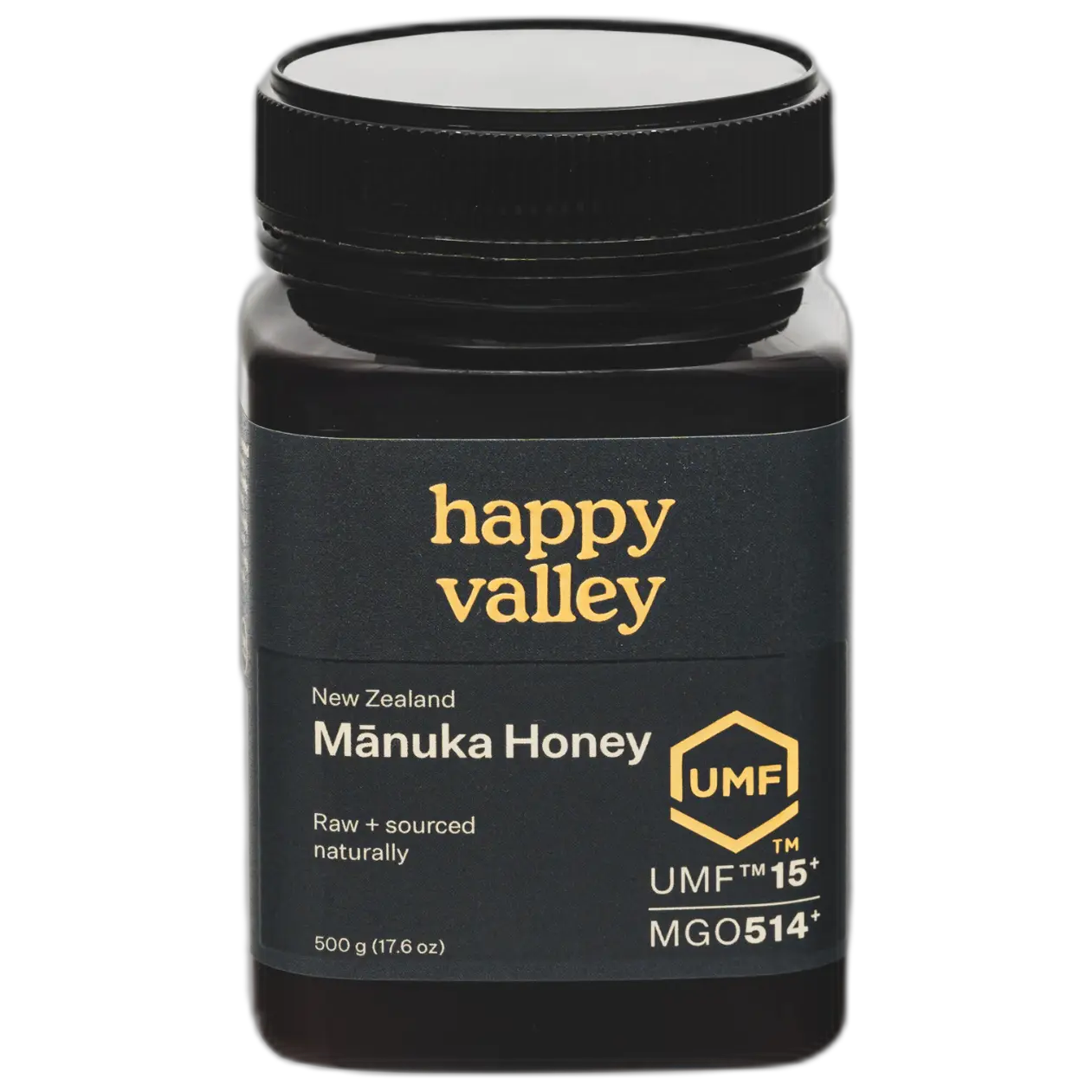 Happy Valley UMF 18+ Manuka HoneyUMF 18+MGO 696250gNew Zealand
Price
From $57.99
Cost per gram MGO
$333
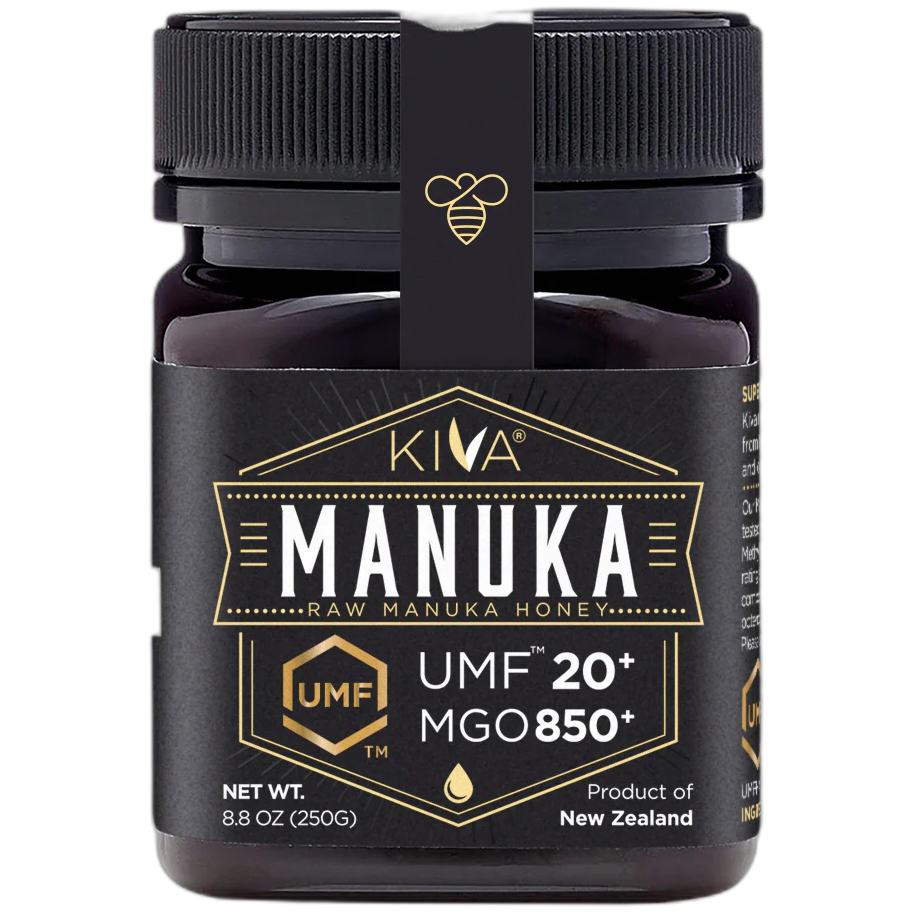 Kiva UMF 20+ Raw Manuka HoneyUMF 20+MGO 829250gNew Zealand
Price
From $69.99
Cost per gram MGO
$338
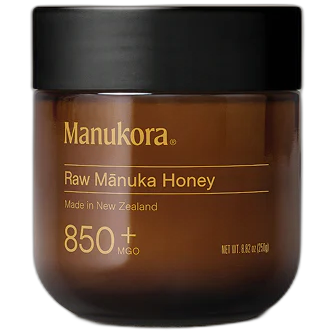
- Manukora UMF 20+ Manuka HoneyUMF 20+MGO 850250gNew Zealand
Price
From $74.99
Cost per gram MGO
$353
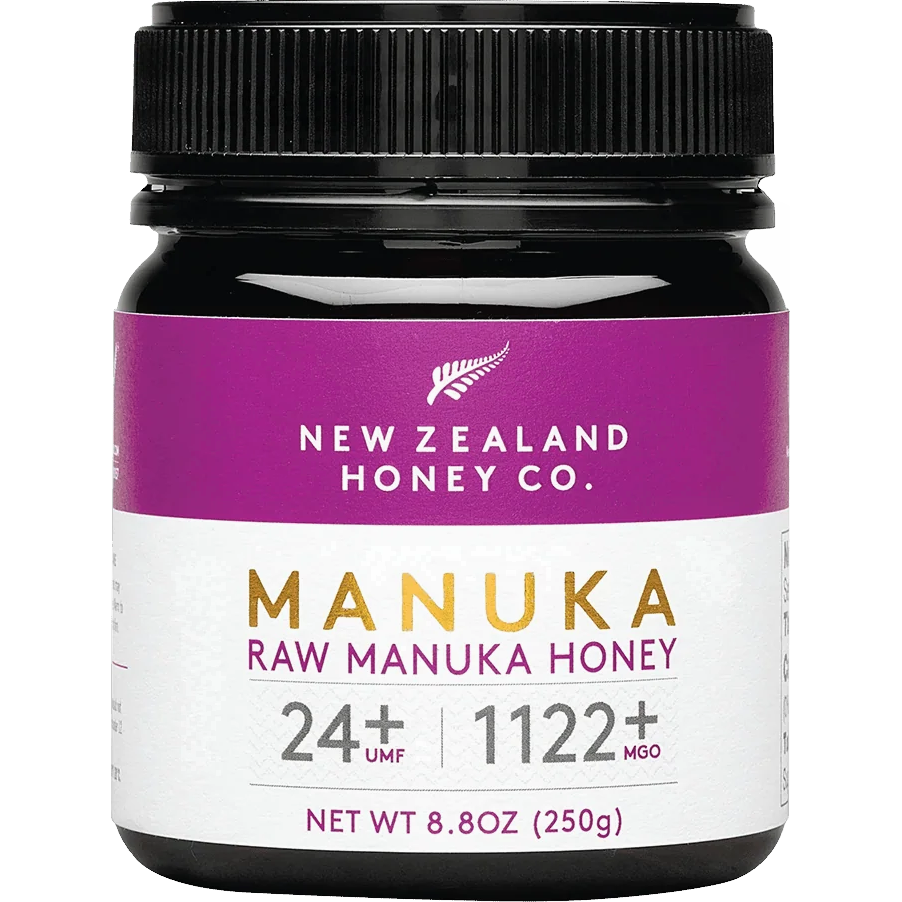
- New Zealand Honey Co. UMF 24+ Manuka HoneyUMF 24+MGO 1122250gNew Zealand
Price
From $99.99
Cost per gram MGO
$356
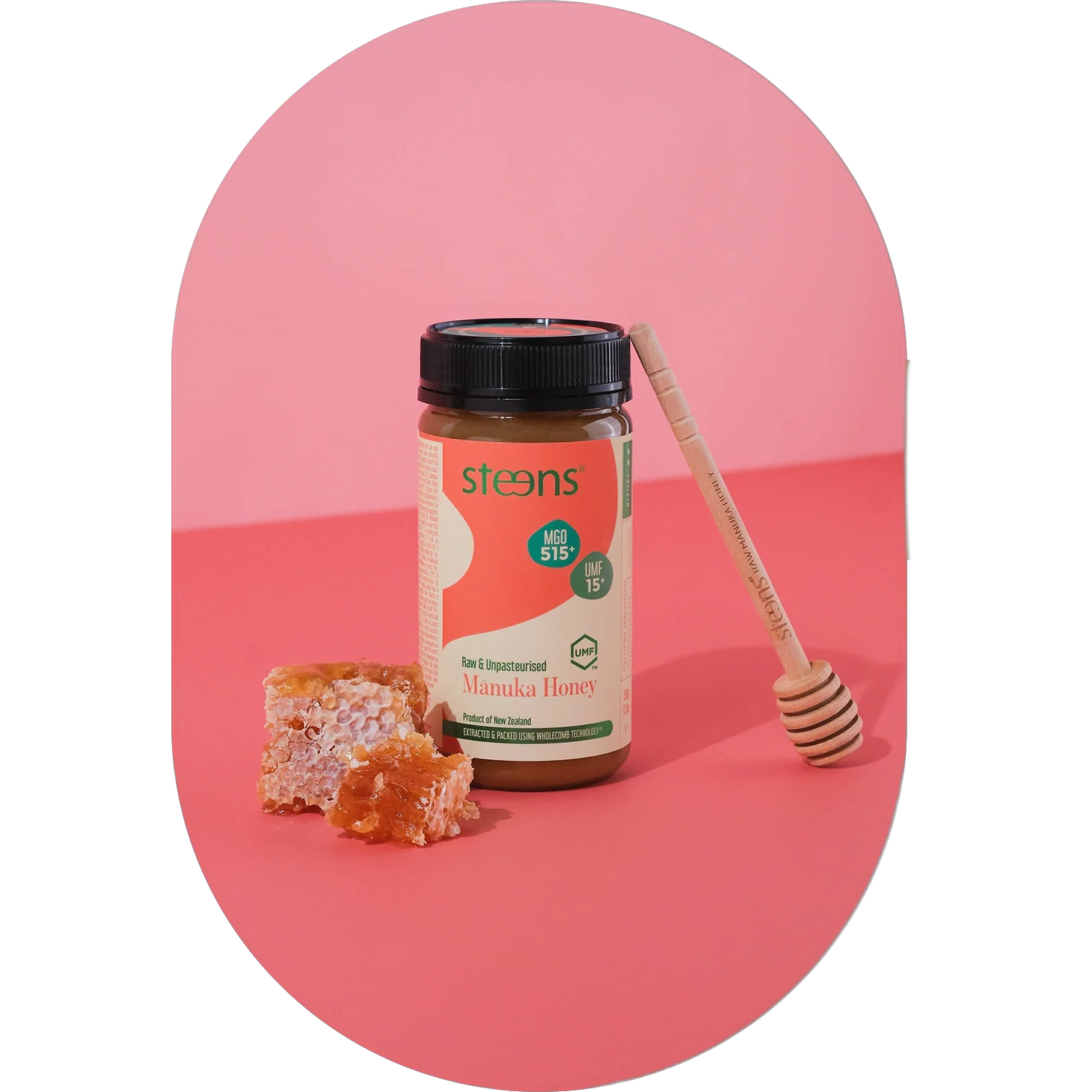 Steens UMF 15+ Manuka HoneyUMF 15+MGO 514340gNew Zealand
Price
From $64.99
Cost per gram MGO
$372
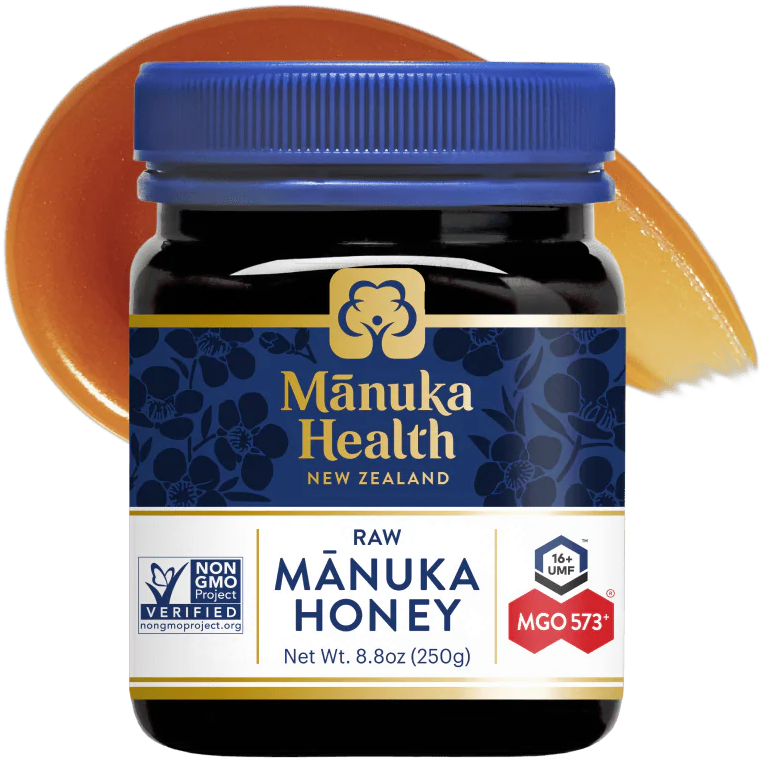 Manuka Health UMF 16+ MGO 573+ Manuka HoneyUMF 16+MGO 573250gNew Zealand
Price
From $54.99
Cost per gram MGO
$384
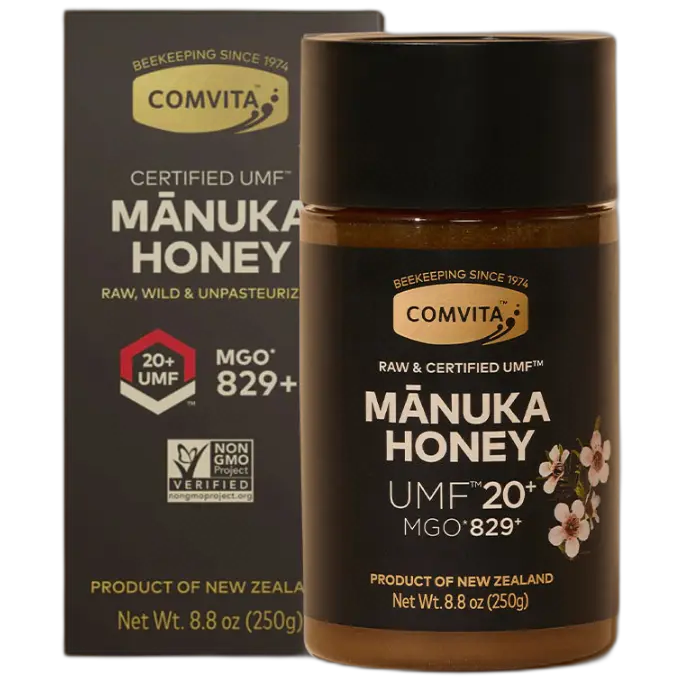
- Comvita UMF 20+ Manuka HoneyUMF 20+MGO 829250gNew Zealand
Price
From $79.99
Cost per gram MGO
$386
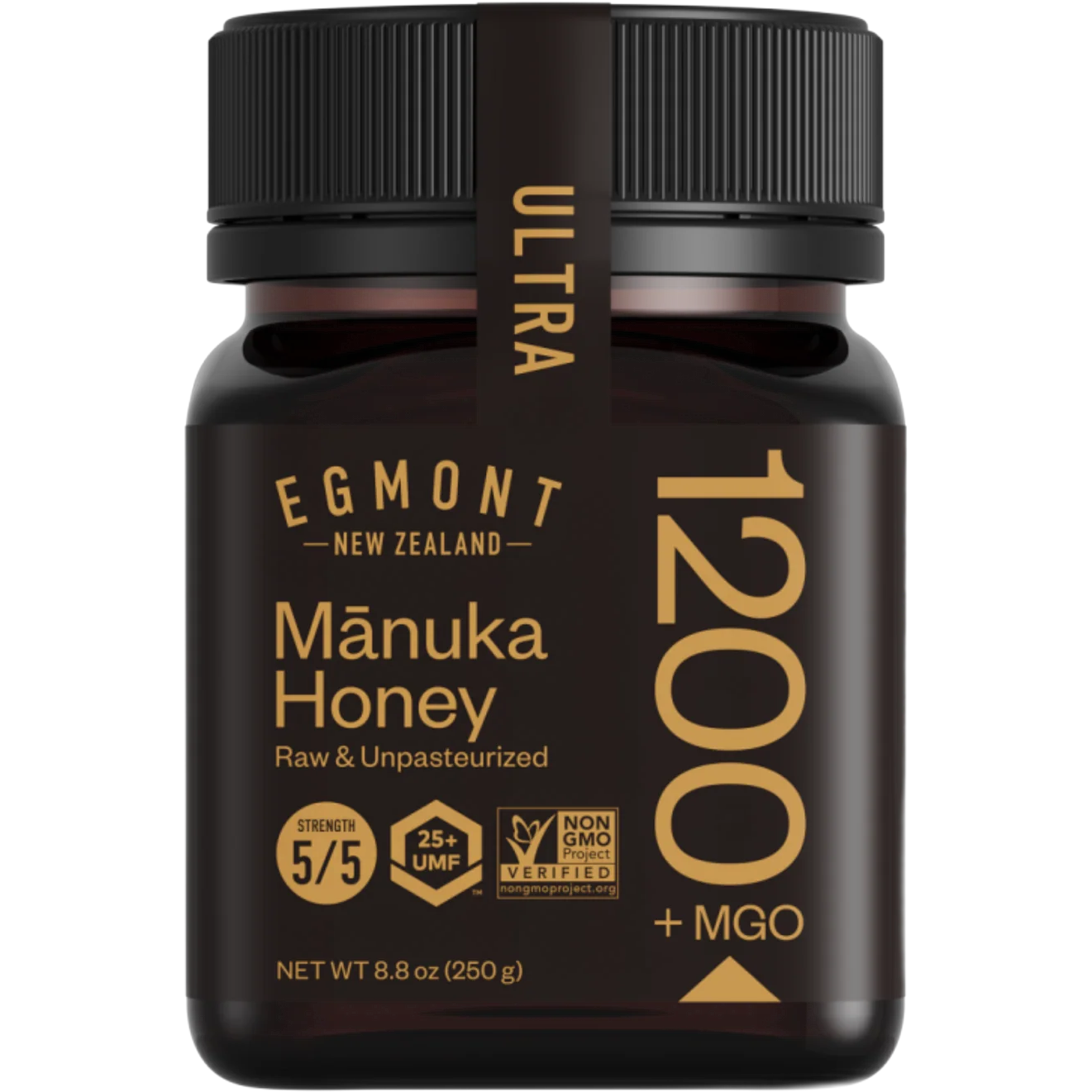
- Egmont UMF 23+ MGO 1050+ Manuka HoneyUMF 23+MGO 1050250gNew Zealand
The authenticity problem
Global demand for Manuka honey exceeds the actual New Zealand harvest by a factor of several to one. The math is uncomfortable: more "Manuka honey" is sold worldwide than is actually produced. The gap is filled with multifloral honey labelled as monofloral, with non-Manuka honey blended in, and in some cases with outright sugar-syrup adulteration.
This is not theoretical. The New Zealand government implemented the MPI Manuka Honey Definition in 2018 specifically because the export label had become unreliable. Independent investigations by laboratories such as the New Zealand Crown Research Institutes have found a meaningful share of internationally retailed "Manuka" failing to meet basic authenticity tests.
Three checks that rule out the obvious counterfeits
- UMF licence number on the label. If the jar carries a UMF certification mark, it should also carry a 4-digit licence number identifying the producer. Cross-reference at umf.org.nz. No licence number = not real UMFHA certification.
- "Made in New Zealand" with batch number. Manuka must be from New Zealand to carry UMF certification. The batch / lot number on the label should be lookup-able at the brand's website. A jar with no traceable batch is outside any authentication chain.
- Verifiable MGO or NPA number. Real Manuka with antibacterial value comes with a certified MGO content (mg/kg) or NPA rating. "Manuka" without any of these numbers may be Manuka in floral source but is not Manuka in the antibacterial sense most buyers care about.
The certifications that actually matter
Two certifications carry real weight:
- UMFHA (UMF Honey Association): Voluntary trade certification. Tests leptosperin, MGO, DHA, and HMF. Strongest consumer trust signal.
- MPI Manuka Honey Definition: Mandatory for New Zealand exports. Tests four chemical markers plus DNA. Required by the New Zealand government for any "Manuka" export label.
Other labels (KFactor, "raw and unfiltered," "100% pure New Zealand") are not equivalent. They may be true, but they are not antibacterial-activity certifications.
What this filtered list shows
The comparison table above includes only UMF-certified or verified-MGO products. They are examples of what real Manuka looks like in the market: a clear UMF or MGO number, a verifiable origin, a recognized producer with a public certificate trail.
For the brands not on this list, that does not automatically mean they are fake. Wedderspoon's KFactor system, for example, is a legitimate proprietary classification, but it does not measure antibacterial activity directly. See our Wedderspoon review for the full picture.
The price-per-MGO sanity check
An additional authenticity heuristic is the price-per-gram of MGO. Real high-UMF Manuka has a known production cost floor; below a certain price-per-gram-of-MGO ratio, the math does not work for the producer. Suspiciously cheap UMF 20+ on a third-party listing is a counterfeit signal.
Common questions
Is supermarket Manuka real?
Sometimes. The Manuka stocked at major US supermarkets (Whole Foods, Costco) is typically from established brands with full UMF certification. The Manuka at smaller retailers and on third-party Amazon listings is much more variable.
What if I see "monofloral Manuka" without a UMF rating?
It may have passed the MPI monofloral chemical-marker tests for export but not been antibacterial-tested. It is real Manuka in floral source but you do not know its antibacterial potency.
Is the Manuka I bought 5 years ago still real?
Yes. Manuka honey has a shelf life of years. The MGO content can actually continue to evolve in the jar after sale (see our MGO explainer). Old Manuka is not fake Manuka.
For the full counterfeit-detection guide and a deeper look at how fake honey is made, see our fake honey guide.