
Tag
12 posts
honey education
UMF (Unique Manuka Factor) is the certification grade for Manuka honey antibacterial activity. It tests four authenticity markers and is administered by the UMF Honey Association in New Zealand.
honey education
The most-studied stomach-related question for honey is whether it acts on H. pylori, the bacterium associated with most peptic ulcers. The in-vitro evidence is suggestive; the human evidence is not.
honey education
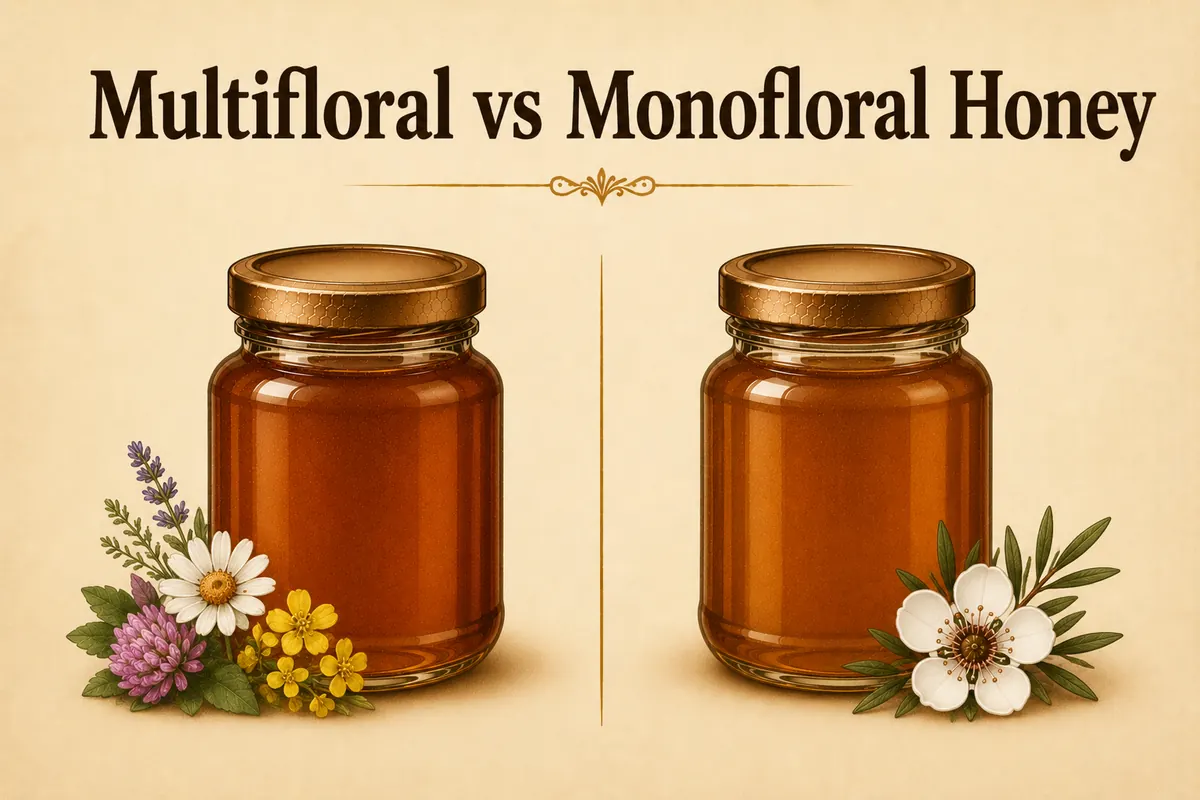
Monofloral honey comes from a single dominant flower source; multifloral comes from many. The distinction matters most for premium honeys like Manuka, where monofloral status drives both certification and price.
honey education
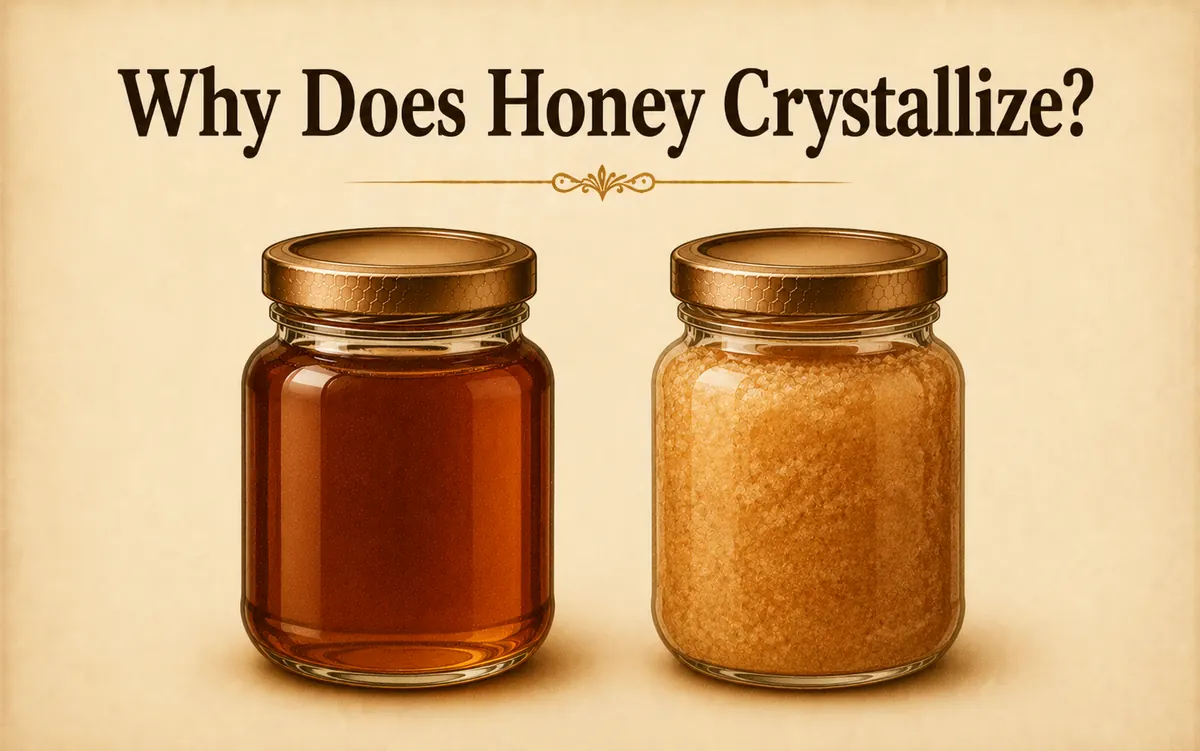
Honey crystallization is a natural physical change, not a sign of spoilage or fakery. Glucose in the honey separates into solid crystals, leaving fructose-rich liquid. The chemistry, the rate factors, and how to reverse it.
honey education
All honey is antibacterial to some degree, but the mechanism differs between regular honey and Manuka. A research-backed explanation of why Manuka's antibacterial activity survives heat, light, and stomach acid.
honey education
Dear reader, are you tired of constantly hearing about the latest health trends and wondering which ones are actually worth your time and money? If so, then you are not alone. In today's fast-paced society, it can be overwhelming to decipher what is truly beneficial for our well-being. This is why it is important to [...]
honey education
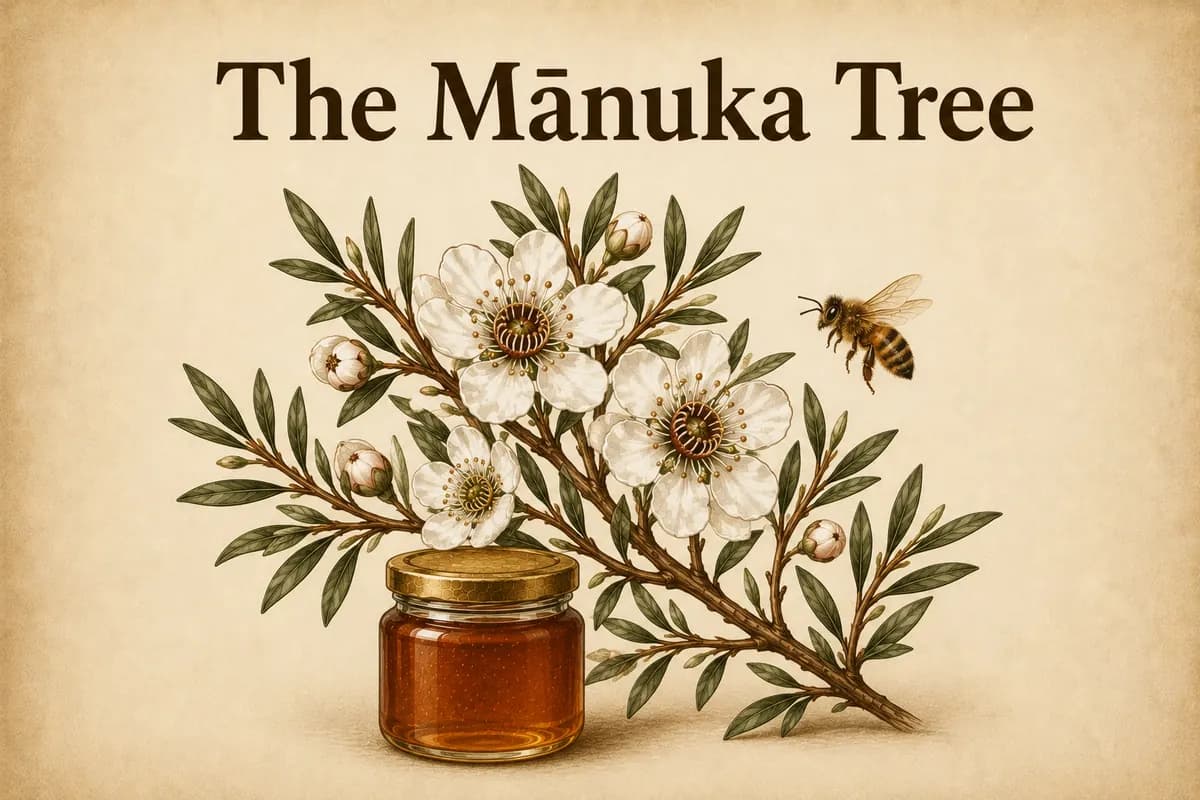
The Manuka tree (Leptospermum scoparium) is native to New Zealand and parts of Australia. The tree's nectar is what makes Manuka honey antibacterial; here is how the plant works.
honey education
Manuka honey is monofloral honey produced by bees from the Manuka tree (Leptospermum scoparium), native to New Zealand. Its defining property is non-peroxide antibacterial activity driven by methylglyoxal.
honey education
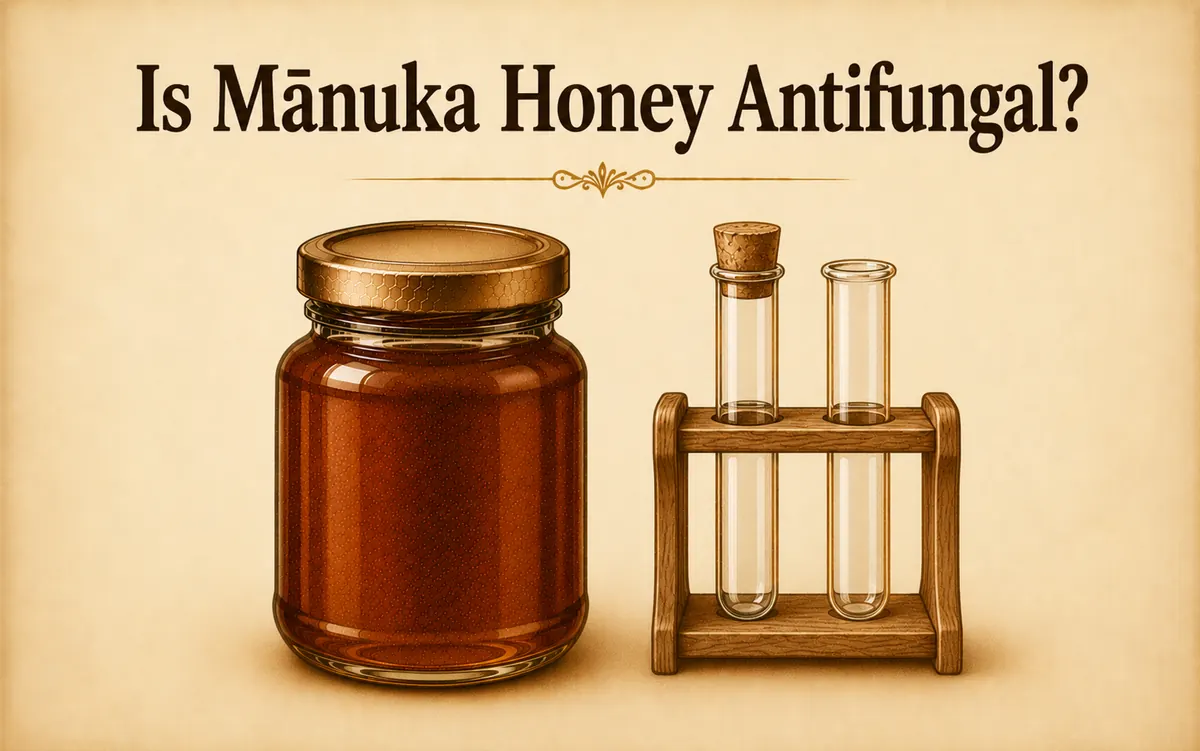
Laboratory studies have shown Manuka honey is active against Candida albicans and other fungi. A review of the evidence, the mechanism, and why in-vitro activity is not the same as clinical effect.
honey education
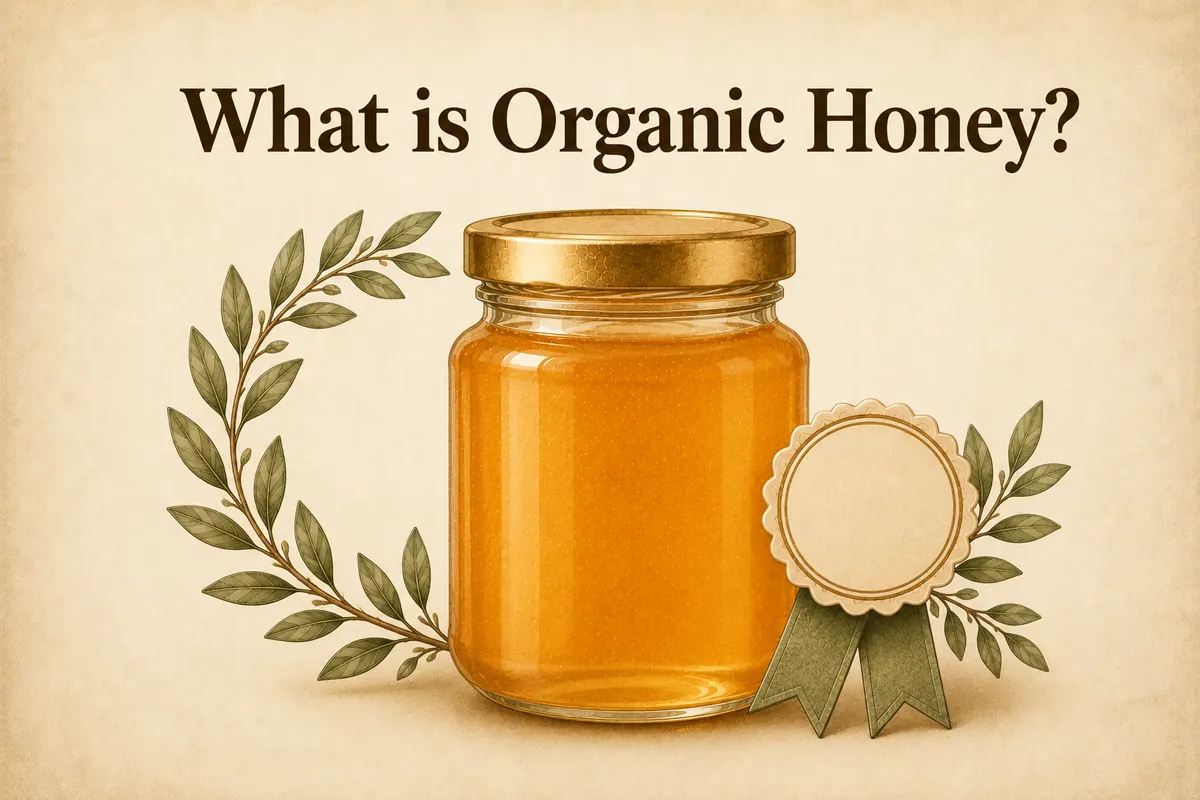
Organic honey carries certification standards on hive management, foraging area, and processing. Here is what organic certification actually means for honey, and why Manuka has a complicated relationship with it.
honey education
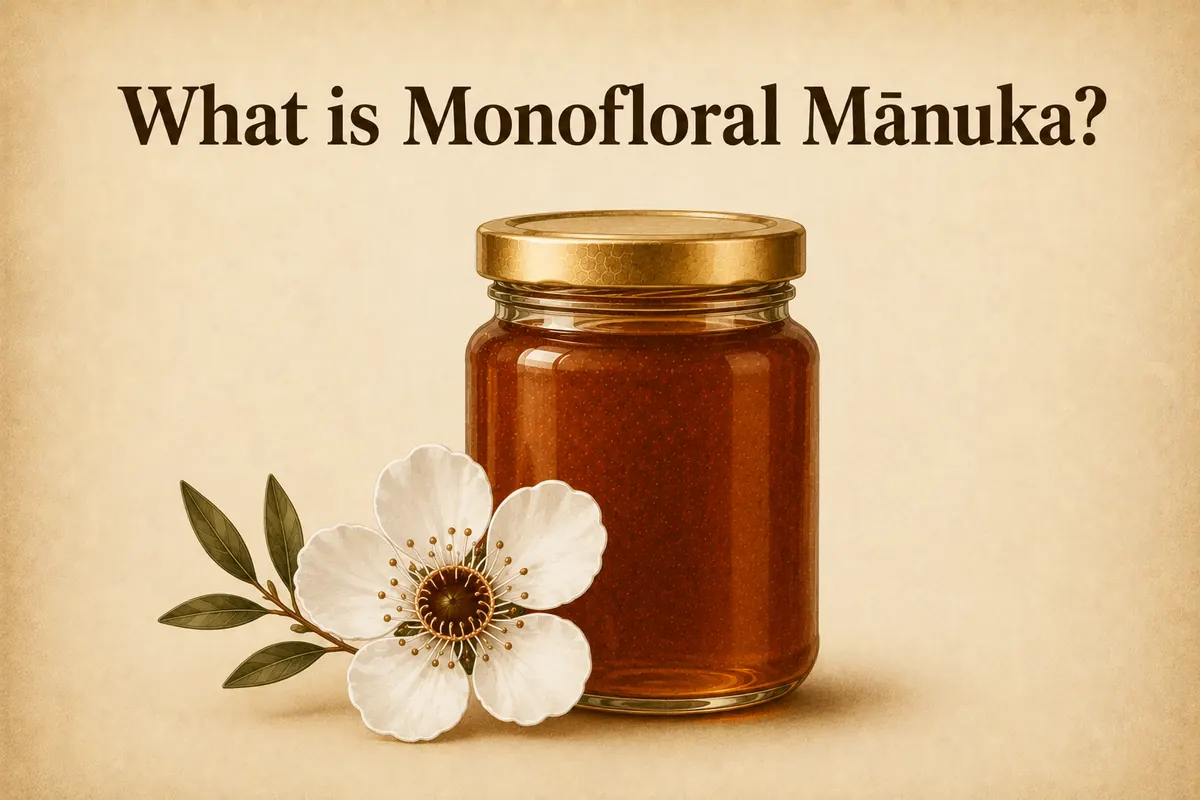
Monofloral Manuka honey meets New Zealand's MPI chemical and DNA-marker thresholds for predominantly Manuka-source honey. The definition, what it tests, and why it matters for buyers.
honey education
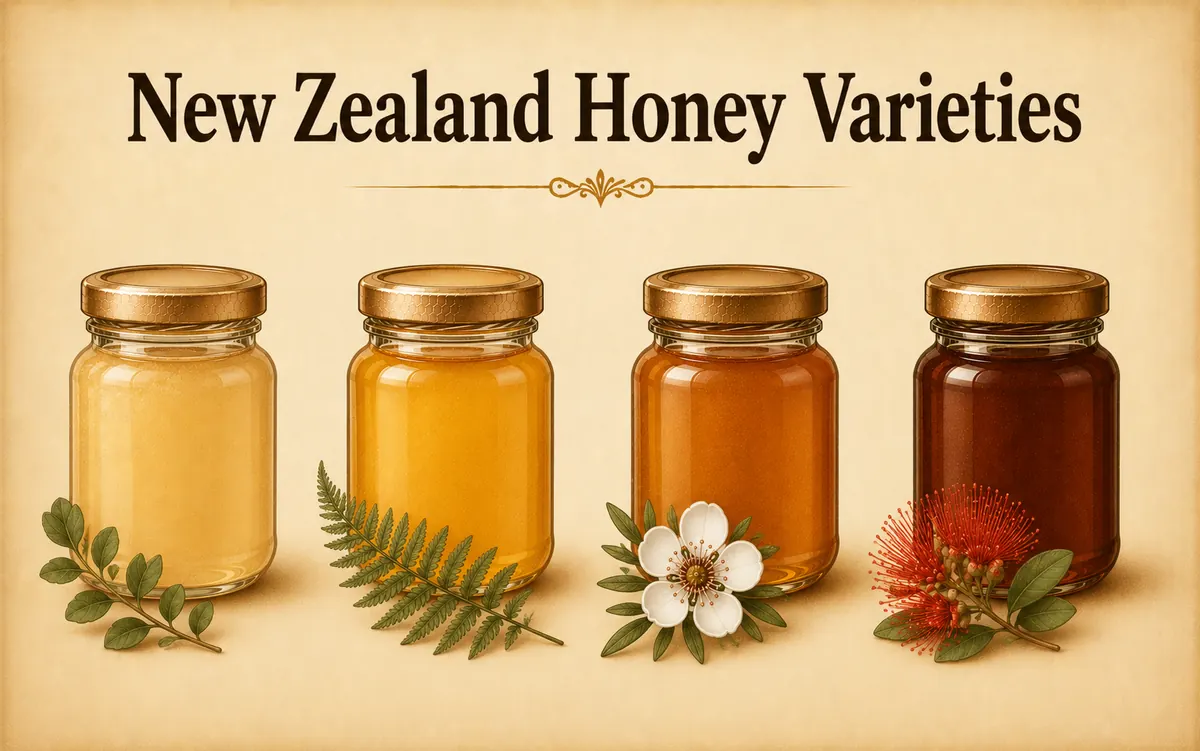
New Zealand produces over a dozen distinct monofloral honeys, of which Manuka is the most famous. A guide to the major varieties, their flavour profiles, and how they compare on antibacterial activity.